Embark on a journey through the realm of Legal Compliance with Labor Laws, delving into its intricacies and significance within the workplace fabric.
Explore the fundamental aspects of legal compliance, its implications, and the pivotal role it plays in fostering a harmonious work environment.
Overview of Legal Compliance with Labor Laws
Legal compliance with labor laws is the practice of following and adhering to the set regulations and requirements established by governing bodies to protect the rights and ensure fair treatment of employees in the workplace. This includes regulations related to wages, working hours, workplace safety, discrimination, and other aspects of employment.Adhering to labor laws is crucial for maintaining a harmonious and productive work environment.
It helps in safeguarding the rights of employees, promoting fair treatment, and ensuring that employers meet their obligations towards their workforce. Compliance with labor laws also helps in preventing disputes, lawsuits, and costly penalties that can arise from violations.
Importance of Adhering to Labor Laws
- Protecting employee rights: Legal compliance ensures that employees are treated fairly and are not subjected to any form of discrimination or exploitation in the workplace.
- Promoting workplace safety: Labor laws often include regulations related to workplace safety measures, which are essential for preventing accidents and injuries.
- Building trust and employee morale: Compliance with labor laws fosters trust between employers and employees, leading to higher job satisfaction and productivity.
- Avoiding legal consequences: Non-compliance with labor laws can result in legal action, fines, penalties, and reputational damage for organizations.
Consequences of Non-Compliance with Labor Laws
- Financial penalties: Violating labor laws can lead to hefty fines imposed by regulatory authorities, which can significantly impact the financial health of a business.
- Lawsuits and legal disputes: Non-compliance may result in employees filing lawsuits against the employer, leading to costly legal battles and reputational damage.
- Loss of reputation: Failing to adhere to labor laws can tarnish the reputation of an organization, resulting in loss of trust from employees, customers, and the public.
- Employee turnover: Poor treatment of employees due to non-compliance can lead to high turnover rates, affecting productivity and overall business performance.
Key Labor Laws to Consider
When it comes to legal compliance with labor laws, there are several key regulations that companies must adhere to in order to protect employees’ rights and ensure fair treatment in the workplace.
Minimum Wage Laws
Minimum wage laws establish the lowest hourly rate that employers can pay their employees. These laws vary by jurisdiction and are designed to prevent exploitation and ensure that workers receive a fair wage for their labor.
Anti-Discrimination Laws
Anti-discrimination laws protect employees from being discriminated against based on factors such as race, gender, age, disability, or religion. These laws promote equal opportunities in the workplace and prohibit unfair treatment or harassment.
Family and Medical Leave Act (FMLA)
The FMLA allows eligible employees to take unpaid leave for certain family or medical reasons without risking their job security. This law ensures that employees can balance their work and personal responsibilities without facing negative consequences.
Occupational Safety and Health Act (OSHA)
OSHA sets forth regulations to ensure safe and healthy working conditions for employees. Employers are required to provide a workplace free from hazards, implement safety protocols, and train employees on safety practices to prevent workplace injuries and illnesses.
Recent Updates in Labor Laws
Recent updates in labor laws include changes in minimum wage rates, expansion of anti-discrimination protections, and updates to health and safety regulations in response to the COVID-19 pandemic. It is crucial for businesses to stay informed about these changes to remain compliant and protect their employees.
Implementing Legal Compliance in the Workplace
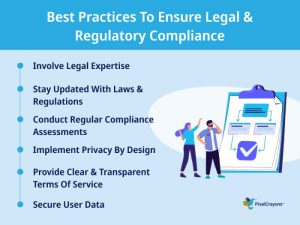
Ensuring legal compliance with labor laws is crucial for organizations to avoid penalties and maintain a positive work environment. Organizations can take several steps to implement legal compliance effectively.
Develop Clear Policies and Procedures
One key step organizations can take is to develop clear and comprehensive policies and procedures that Artikel expectations regarding labor laws. These policies should cover areas such as working hours, wages, benefits, and workplace safety.
- Implement a code of conduct that emphasizes the importance of following labor laws.
- Establish a process for employees to report any violations or concerns.
- Regularly review and update policies to ensure compliance with any changes in labor laws.
Provide Training and Education
Organizations should invest in training programs to educate employees and managers on labor laws and compliance requirements.
- Offer regular training sessions on topics such as discrimination, harassment, and wage laws.
- Ensure that all employees are aware of their rights and responsibilities under labor laws.
- Provide resources for employees to seek clarification or guidance on labor law issues.
Role of HR Departments
HR departments play a crucial role in overseeing legal compliance with labor laws within an organization.
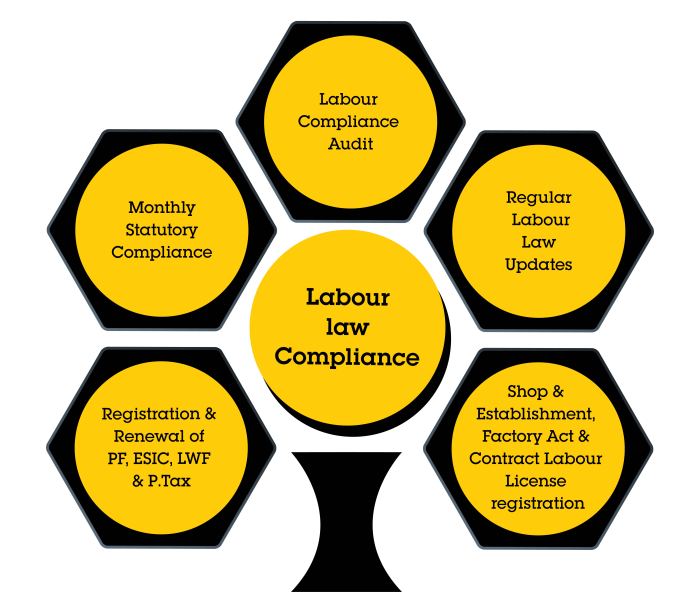
- HR professionals should stay informed about changes in labor laws and ensure that policies are updated accordingly.
- HR should conduct regular audits to identify any areas of non-compliance and take corrective action.
- HR should serve as a resource for employees to address any concerns or complaints related to labor law violations.
Legal Consultation for Ensuring Compliance
Seeking legal consultation is crucial for businesses to ensure compliance with labor laws. Legal experts possess the knowledge and expertise to help navigate the complex landscape of labor regulations, minimizing the risk of legal issues and penalties.
Importance of Legal Consultation
Legal consultation provides businesses with valuable insights into the intricacies of labor laws, helping them understand their obligations and rights as employers. By seeking legal advice, companies can proactively address compliance issues and implement effective strategies to mitigate legal risks.
- Legal experts can assist in interpreting and applying specific labor laws to unique business situations, ensuring compliance at all levels.
- Consultation can help businesses stay updated on changes in labor regulations and adjust their policies and practices accordingly.
- By seeking legal guidance, companies can avoid costly legal disputes, fines, and reputational damage resulting from non-compliance with labor laws.
Role of Legal Experts
Legal experts play a crucial role in guiding businesses through the complexities of labor laws, offering tailored solutions to address compliance challenges effectively. They can provide strategic advice, draft legal documents, and represent companies in legal proceedings related to labor issues.
Legal consultation is an investment in risk management, ensuring that businesses proactively address compliance issues and safeguard their operations from legal pitfalls.
Examples of Situations Requiring Legal Consultation
- Resolving disputes with employees over wage and hour violations
- Implementing workplace policies to prevent discrimination and harassment
- Navigating employee classification issues, such as independent contractors vs. employees
- Addressing compliance with occupational health and safety regulations
- Handling employee terminations and layoffs in accordance with labor laws
In conclusion, Legal Compliance with Labor Laws stands as a cornerstone of organizational integrity, safeguarding employee rights and fortifying the regulatory framework of businesses. Dive deeper into this critical domain to navigate the complexities with finesse and foresight.
Helpful Answers
What are the consequences of non-compliance with labor laws?
Non-compliance can lead to penalties, lawsuits, damaged reputation, and even closure of business.
How can organizations promote compliance with labor laws?
Organizations can establish clear policies, conduct regular audits, provide training, and seek legal advice when needed.
Why is legal consultation important for ensuring compliance with labor laws?
Legal consultation helps navigate complex laws, prevents legal issues, and ensures businesses operate within legal boundaries.