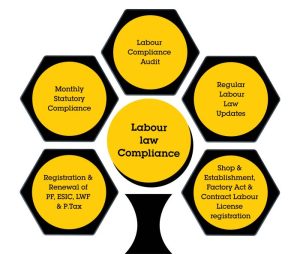
Starting with How Legal Compliance Affects Business Operations, this exploration delves into the significant role legal compliance plays in shaping business activities and outcomes. From navigating regulations to optimizing operations, this discussion sheds light on the critical interplay between compliance and business success.
Exploring the nuances of legal requirements and their direct influence on operational efficiency, this piece aims to offer a comprehensive perspective on the topic at hand.
How Legal Compliance Affects Business Operations

Legal compliance plays a crucial role in the smooth functioning of business operations. It ensures that companies adhere to the laws and regulations set by governing bodies, which helps in maintaining transparency, accountability, and ethical standards in business practices.
Importance of Legal Compliance
Legal compliance is essential for businesses to operate within the boundaries of the law. Failure to comply with legal requirements can result in severe consequences, such as fines, lawsuits, reputational damage, and even business closure. By following legal regulations, companies can build trust with stakeholders, protect their assets, and avoid costly legal battles.
- Adherence to labor laws
- Compliance with tax regulations
- Following industry-specific regulations
Examples of Legal Requirements Impacting Business Operations
Legal requirements impact various aspects of business operations, including hiring practices, financial reporting, product safety, and data protection. For instance, labor laws dictate employee rights, working conditions, and minimum wage standards, while tax regulations require businesses to accurately report their income and pay taxes accordingly. Failure to comply with these laws can lead to penalties and legal actions that disrupt day-to-day operations.
Consequences of Non-Compliance
Non-compliance with legal requirements can have serious repercussions on a company’s operations. It can damage the company’s reputation, lead to financial losses, and result in legal liabilities. For example, a data breach due to non-compliance with data protection laws can result in hefty fines, loss of customer trust, and a decline in business performance. Therefore, it is crucial for businesses to stay updated with legal regulations and ensure full compliance to avoid negative impacts on their operations.
Legal Compliance Challenges for Businesses
Maintaining legal compliance poses several challenges for businesses, ranging from complex regulations to changing laws and lack of resources. These challenges can significantly impact day-to-day operations and overall business success.
Complex Regulatory Environment
The ever-evolving regulatory landscape can be overwhelming for businesses to navigate effectively. With multiple laws, rules, and industry-specific regulations to comply with, ensuring full legal compliance can be a daunting task.
Resource Constraints
Many businesses, especially small and medium enterprises, often struggle with limited resources dedicated to legal compliance. This can lead to gaps in compliance efforts, increasing the risk of penalties, fines, and legal consequences.
Lack of Awareness
Businesses may face challenges due to a lack of awareness about specific legal requirements that apply to their operations. Ignorance of crucial compliance obligations can result in inadvertent violations, leading to legal issues.
Inconsistent Interpretation of Laws
The interpretation of laws and regulations can vary, posing challenges for businesses operating in multiple jurisdictions. Inconsistencies in understanding legal requirements can lead to non-compliance and legal disputes.
Technological Advancements
Rapid technological advancements can create new legal compliance challenges for businesses, especially in areas such as data privacy and cybersecurity. Keeping up with changing technology laws and regulations is vital to avoid legal pitfalls.
Benefits of Legal Compliance in Business Operations
Legal compliance in business operations offers several advantages that contribute to the overall success and sustainability of a company. By following regulations and laws, businesses can enhance their reputation, build trust with stakeholders, and mitigate potential risks.
Operational Efficiency
- Compliant businesses are more likely to operate efficiently as they have clear guidelines to follow, reducing the chances of errors or oversights.
- Non-compliant businesses, on the other hand, may face disruptions, fines, or legal actions that can hinder their operations and profitability.
Improved Reputation and Trust
- Adhering to legal compliance standards helps businesses build a positive reputation in the industry and among customers, leading to increased trust and loyalty.
- Non-compliant businesses risk damaging their reputation and losing customers’ trust, which can have long-term negative effects on their operations.
Risk Mitigation
- Legal compliance helps businesses identify and address potential risks early on, allowing them to implement strategies to minimize or eliminate these risks.
- By neglecting legal regulations, businesses expose themselves to various risks such as lawsuits, financial penalties, and reputational damage that can impact their operations significantly.
Real-Life Examples
One notable example of how legal compliance positively impacts business operations is the case of a pharmaceutical company that adhered to strict regulations in drug manufacturing. By ensuring compliance with quality standards and safety regulations, the company was able to deliver safe and effective products to consumers, thereby maintaining its reputation and market share.
Legal Consultation in Business
Legal consultation plays a crucial role in ensuring that businesses comply with regulations and operate within the boundaries of the law. By seeking advice from legal experts, businesses can navigate complex legal requirements and minimize the risk of non-compliance.
Role of Legal Consultation in Ensuring Compliance
Legal consultation helps businesses understand the legal framework in which they operate, ensuring that they are aware of their rights and obligations. Legal experts can provide guidance on how to structure business operations in a way that complies with relevant laws and regulations.
How Legal Consultation Can Help Streamline Business Operations
- Identifying Legal Risks: Legal consultation can help businesses identify potential legal risks and develop strategies to mitigate them, preventing costly legal disputes.
- Customized Legal Solutions: Legal experts can tailor their advice to the specific needs of a business, providing customized solutions that align with the company’s goals and objectives.
- Efficient Compliance: By staying informed about legal requirements, businesses can streamline their operations and ensure that they are meeting all regulatory obligations in a timely manner.
Best Practices for Seeking Legal Advice and Consultation
- Choose a Specialized Legal Firm: Look for a legal firm with expertise in the specific area of law relevant to your business, ensuring that you receive accurate and relevant advice.
- Establish Clear Communication: Clearly communicate your business goals and concerns to your legal consultant to ensure that they can provide tailored advice that meets your needs.
- Regular Training and Updates: Stay up-to-date on legal requirements by attending legal workshops, seminars, and training sessions to enhance your understanding of compliance issues.
In conclusion, the intricate relationship between legal compliance and business operations underscores the need for proactive adherence to regulations. By embracing compliance as a strategic asset, businesses can not only mitigate risks but also enhance their overall performance and reputation in the marketplace.
Essential Questionnaire
What are the repercussions of failing to comply with legal requirements?
Non-compliance can lead to fines, legal actions, reputational damage, and operational disruptions. It is crucial for businesses to prioritize adherence to avoid such consequences.
How can businesses effectively overcome legal compliance challenges?
By implementing robust compliance programs, conducting regular audits, providing adequate training, and seeking legal consultation when needed, businesses can navigate challenges successfully.