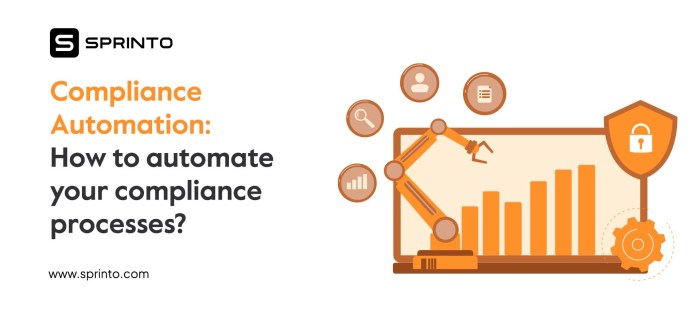
With Automating Legal Compliance Processes at the forefront, this paragraph opens a window to an amazing start and intrigue, inviting readers to embark on a storytelling journey filled with unexpected twists and insights.
Exploring the world of legal compliance automation unveils a realm where technology and regulations intersect, revolutionizing the way businesses ensure adherence to laws and standards.
Automating Legal Compliance Processes
Automating legal compliance processes involves using technology to streamline and simplify tasks related to ensuring adherence to laws, regulations, and company policies.
Benefits of Automating Legal Compliance Processes
- Increased Efficiency: Automation can help eliminate manual tasks, saving time and resources.
- Reduced Errors: By removing human error, automated processes can improve accuracy and reduce the risk of compliance violations.
- Improved Compliance Tracking: Automation allows for better monitoring and tracking of compliance activities, ensuring nothing falls through the cracks.
- Cost Savings: Automating legal compliance processes can lead to cost savings in the long run by increasing productivity and reducing the need for manual labor.
Automation for Streamlining Legal Compliance Tasks
- Document Management Systems: These tools help organize and store relevant compliance documents, making them easily accessible for audits and reviews.
- Compliance Monitoring Software: This software tracks and monitors compliance activities, sending alerts for upcoming deadlines or potential issues.
- Risk Assessment Tools: Automation can help identify and assess potential risks, allowing companies to take proactive measures to mitigate them.
- Training and Certification Platforms: Automated platforms can deliver and track employee training on compliance requirements, ensuring everyone is up to date.
Implementing Automation in Legal Compliance
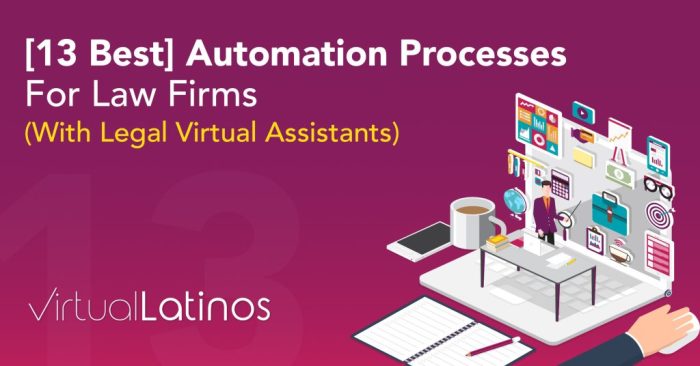
Automation in legal compliance involves a strategic approach to streamline processes, increase efficiency, and ensure regulatory adherence. Here are the key steps and considerations for successful implementation:
Detailing the Steps
- Identify Compliance Needs: Conduct a thorough assessment of your organization’s legal requirements and regulatory obligations.
- Choose the Right Tools: Select automation software or platforms that align with your compliance goals and integrate seamlessly with existing systems.
- Customize Workflows: Tailor automated processes to suit specific compliance tasks, such as document management, reporting, and monitoring.
- Training and Testing: Provide comprehensive training to staff on using automated tools effectively and conduct regular testing to ensure accuracy and reliability.
- Continuous Monitoring: Implement mechanisms for ongoing monitoring and review of automated compliance processes to identify and address any issues promptly.
Manual vs Automated Processes
- Manual Processes: Manual compliance processes are time-consuming, prone to errors, and lack scalability compared to automated systems.
- Automated Processes: Automated compliance processes offer speed, accuracy, scalability, and the ability to generate real-time insights for decision-making.
Potential Challenges
- Resistance to Change: Employees may resist automation due to fear of job loss or lack of understanding of the benefits.
- Integration Issues: Ensuring seamless integration of automated tools with existing systems and workflows can pose challenges.
- Data Security Concerns: Safeguarding sensitive legal data and ensuring compliance with data protection regulations is critical in automation.
Best Practices for Successful Implementation
- Engage Stakeholders: Involve key stakeholders in the implementation process to gain buy-in and ensure alignment with organizational goals.
- Start Small, Scale Up: Begin with pilot projects to test automation tools and processes before scaling up across the organization.
- Regular Evaluation: Continuously evaluate the effectiveness of automated compliance processes and make adjustments as needed to optimize performance.
- Stay Updated: Keep abreast of regulatory changes and updates to ensure automated processes remain compliant and up-to-date.
Role of Technology in Legal Compliance
Technology plays a crucial role in improving legal compliance processes by streamlining workflows, reducing human error, and increasing efficiency. Automation tools have revolutionized the way organizations ensure compliance with laws and regulations.
AI and Machine Learning in Legal Compliance Automation
AI and machine learning technologies have the potential to enhance legal compliance automation by analyzing large volumes of data quickly and accurately. These tools can identify patterns, trends, and anomalies, allowing organizations to proactively address compliance issues before they escalate.
- AI-powered contract analysis tools can review contracts for compliance risks and discrepancies, saving time and reducing manual errors.
- Machine learning algorithms can predict potential compliance violations based on past data, helping companies prevent legal issues before they occur.
- Automated monitoring systems can continuously track regulatory changes and update compliance procedures accordingly, ensuring organizations stay up-to-date with the latest requirements.
Revolutionizing Legal Compliance Procedures with Technology
Technology has revolutionized legal compliance procedures by providing innovative solutions to complex challenges. Automation tools can help organizations navigate the ever-changing regulatory landscape more effectively and efficiently.
For example, compliance management software can centralize compliance-related information, streamline reporting processes, and provide real-time insights into compliance performance.
Future Trends of Technology in Legal Compliance
The future of technology in legal compliance is promising, with advancements in AI, machine learning, and data analytics reshaping how organizations manage compliance requirements.
- Predictive analytics tools can anticipate compliance risks and help organizations develop proactive strategies to mitigate potential issues.
- Blockchain technology can enhance data security and integrity, ensuring compliance with data protection regulations such as GDPR.
- Robotic Process Automation (RPA) can automate repetitive compliance tasks, freeing up resources for more strategic initiatives.
Legal Compliance Consultation
Legal compliance consultation is a crucial aspect of ensuring that businesses adhere to all relevant laws and regulations. Legal experts play a vital role in guiding organizations through complex legal frameworks, helping them mitigate risks and avoid potential legal issues. Let’s delve into the importance of legal compliance consultation and how it benefits businesses.
Role of Legal Experts
Legal experts, such as lawyers specializing in compliance matters, offer invaluable guidance to businesses on how to navigate and comply with various regulations. They provide expert interpretation of laws, assess potential risks, and develop strategies to ensure compliance. By leveraging their expertise, businesses can avoid costly legal disputes and maintain a strong reputation in the industry.
Assistance in Navigating Complex Laws
Legal compliance consultants assist businesses in understanding and complying with a myriad of complex laws and regulations. They help organizations interpret legal requirements, implement necessary policies and procedures, and monitor compliance on an ongoing basis. With their guidance, businesses can proactively address compliance issues and avoid penalties or legal actions that may arise from non-compliance.
Examples of Crucial Scenarios
Legal compliance consultation is particularly crucial in scenarios such as data privacy regulations, anti-corruption laws, environmental compliance, and industry-specific regulations. For instance, in the case of data privacy laws like GDPR, businesses need expert guidance to ensure the proper handling of personal data and avoid hefty fines. Similarly, compliance with anti-corruption laws such as the Foreign Corrupt Practices Act (FCPA) requires specialized knowledge to prevent violations and maintain ethical business practices.
In conclusion, embracing automation in legal compliance not only enhances efficiency but also paves the way for a future where businesses can navigate complex regulations with ease, thanks to the power of technology.
Quick FAQs
What are the key benefits of automating legal compliance processes?
Automating legal compliance processes can significantly reduce human error, enhance efficiency, ensure timely compliance, and provide a centralized system for monitoring and managing regulatory requirements.
What are some potential challenges in implementing automation for legal compliance?
Common challenges include initial setup costs, integration with existing systems, resistance to change from employees, and ensuring the accuracy and reliability of automated processes.
How can AI and machine learning enhance legal compliance automation?
AI and machine learning technologies can analyze vast amounts of data rapidly, identify patterns, predict potential compliance issues, and improve decision-making processes within legal compliance tasks.


