Beginning with Legal Compliance and Regulatory Reporting, the narrative unfolds in a compelling and distinctive manner, drawing readers into a story that promises to be both engaging and uniquely memorable.
Exploring the critical aspects of legal compliance and regulatory reporting, this discussion sheds light on the significance of adhering to regulations and the processes involved in maintaining compliance within organizations.
Overview of Legal Compliance and Regulatory Reporting
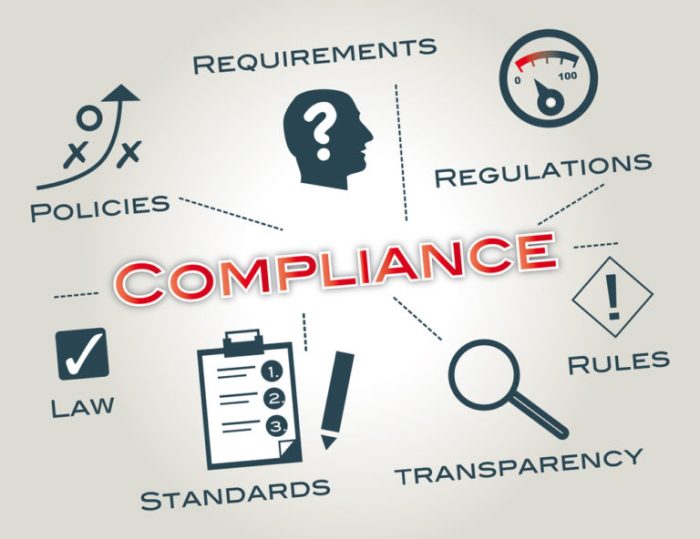
Legal compliance is essential for businesses to ensure that they are operating within the boundaries of the law. It involves adhering to rules, regulations, and laws set forth by government bodies to maintain ethical standards and avoid legal repercussions. Failure to comply with these regulations can result in fines, penalties, lawsuits, and damage to a company’s reputation.Regulatory bodies play a crucial role in overseeing compliance in various industries.
For example, the Securities and Exchange Commission (SEC) regulates the financial industry to protect investors and maintain fair and efficient markets. The Food and Drug Administration (FDA) oversees compliance with safety and quality standards in the pharmaceutical and food industries. The Environmental Protection Agency (EPA) regulates environmental compliance to protect public health and the environment.Non-compliance with regulations can have serious consequences for businesses.
It can lead to financial losses, legal liabilities, and damage to a company’s brand reputation. In some cases, non-compliance may even result in criminal charges and imprisonment for individuals responsible for violating the law. Therefore, it is crucial for businesses to prioritize legal compliance and regulatory reporting to avoid these negative outcomes.
Legal Compliance Procedures
Ensuring legal compliance within an organization is crucial to avoid penalties, lawsuits, and damage to reputation. This involves following specific steps to identify and address compliance gaps.
Risk Assessments for Compliance Gaps
Risk assessments are conducted to identify potential areas where the organization may not be complying with relevant laws and regulations. This involves evaluating current practices, policies, and procedures to determine any weaknesses or gaps that need to be addressed. By conducting thorough risk assessments, organizations can proactively address compliance issues before they escalate into legal problems.
- Identify relevant laws and regulations: The first step in conducting a risk assessment is to identify all applicable laws and regulations that the organization must comply with.
- Evaluate current practices: Assess current practices within the organization to determine if they align with legal requirements.
- Identify potential gaps: Look for areas where the organization may not be fully complying with legal requirements, such as in data privacy, labor laws, or environmental regulations.
- Develop action plans: Once compliance gaps are identified, develop action plans to address and mitigate these gaps effectively.
Role of Internal Audits
Internal audits play a crucial role in maintaining legal compliance within an organization by providing independent and objective assessments of compliance processes.
- Regular audits: Conduct regular internal audits to review compliance processes and identify any areas of non-compliance.
- Identify weaknesses: Internal audits help identify weaknesses in compliance procedures and provide recommendations for improvement.
- Ensure accountability: By holding departments and individuals accountable for compliance, internal audits help ensure that legal requirements are met.
- Continuous monitoring: Internal audits should be conducted regularly to ensure ongoing compliance and to address any emerging risks.
Regulatory Reporting Requirements
Regulatory reporting is a crucial aspect of compliance for organizations, as it involves submitting specific information to relevant regulatory authorities to ensure adherence to laws and regulations. Failure to meet regulatory reporting requirements can result in penalties, fines, or other legal consequences.
Common Regulatory Reports
- Annual Financial Reports: Organizations are often required to submit detailed financial reports to regulatory bodies, providing a comprehensive overview of their financial performance.
- Suspicious Activity Reports (SARs): Financial institutions must report any suspicious transactions that may indicate money laundering or other illegal activities.
- Employee Diversity Reports: Some organizations are mandated to report on the diversity of their workforce to ensure equal employment opportunities.
Challenges of Meeting Reporting Deadlines
- Complexity of Data Collection: Gathering and organizing the necessary data for regulatory reports can be a time-consuming and challenging process.
- Changing Regulations: Regulatory requirements are constantly evolving, making it difficult for organizations to stay updated and compliant.
- Resource Constraints: Limited resources, such as time, manpower, and technology, can hinder an organization’s ability to meet reporting deadlines effectively.
Legal Consultation in Compliance Matters
Legal consultants play a crucial role in helping organizations navigate complex compliance issues. Their expertise in legal matters allows them to provide valuable guidance and support to ensure that businesses adhere to all relevant regulations and laws.
Role of Legal Consultants
Legal consultants assist organizations in interpreting and understanding complex regulations that may be difficult for non-legal professionals to navigate. They provide insights into the legal requirements that apply to specific industries or business operations, helping businesses avoid potential legal pitfalls.
Benefits of Seeking Legal Consultation
- Legal consultants can offer proactive advice on compliance matters, helping businesses avoid costly legal disputes or penalties.
- They can conduct thorough reviews of existing compliance procedures and recommend improvements to ensure full adherence to regulations.
- Legal consultants can also provide training to employees on compliance best practices, fostering a culture of compliance within the organization.
- By seeking legal consultation, organizations can stay ahead of regulatory changes and ensure that their operations remain compliant with evolving laws.
Summarizing the complexities and importance of legal compliance and regulatory reporting, this discussion highlights the key takeaways and emphasizes the crucial role these practices play in ensuring business integrity and adherence to laws and regulations.
Clarifying Questions
What are some examples of regulatory bodies overseeing compliance in various industries?
Examples include the SEC for financial services, the FDA for healthcare, and the EPA for environmental compliance.
How do legal consultants help organizations with compliance matters?
Legal consultants assist in interpreting complex regulations, conducting compliance gap assessments, and providing guidance on maintaining legal compliance.